ATTRIBUTION REQUIRED: This forklift image is free to use for all purposes including commercial use but you must provide a link back to atlantictraining.com as the source of the forklift image. Learn more. Image Description: Image of a crane in action, hoisting a single steel beam. The crane is in mid-rotation as it relocates the material …
The saying “time is money” rings especially true in the construction industry. With tight deadlines and budget pressures, safety can sometimes take a backseat. But the stakes are high: in 2016, construction accounted for one in five worker fatalities in private industry, highlighting the critical need for stronger health and safety practices on job sites. …
It’s no secret that construction is one of the most dangerous industries to work in. The term “Construction’s Fatal Four” was coined for a reason, in an effort to reduce these 4 most common reasons for deaths in construction. That’s why construction safety is extremely important to implement and monitor for every job task related …
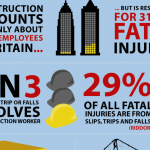
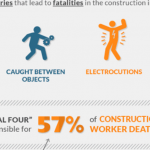
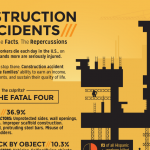
The “Fatal Four” in construction are the four deadliest hazards that cause a significant number of fatalities year after year. These hazards are responsible for the majority of construction deaths, making them a critical focus in safety training programs. The top causes of these fatalities are Falls, Struck-By incidents, Caught-In/Between accidents, and Electrocutions. This infographic …
The numbers on daily construction-related deaths in the U.S. are pretty eye-opening. Construction is consistently ranked as one of the most dangerous industries, largely due to four major types of accidents. This makes it crucial to focus on improving safety and reducing hazards on the job site. According to OSHA, “construction is a high-hazard industry …
A construction site is one of the most dangerous work areas possible. Construction requires the constant use of tools, heavy machinery, and hazardous materials. Below, you’ll find a list of training topics that are required for most Construction Workers. OSHA Required Training Fall Protection OSHA Regulation: 1926.503(a) When OSHA Requires Fall Protection Training: Required for …