Enhance your safety training with our library of Workplace Safety & Health Infographics. Visual learning is critical for safety communication, with research showing that people process visual information 60,000 times faster than text alone. These infographics simplify complex safety protocols into high-impact, easy-to-digest visual guides.
Our original infographics cover essential workplace hazards, including:
– Hazard Identification: Visual tools to help workers “spot the hazard” before an incident occurs.
– OSHA Compliance Summaries: Succinct visual reminders of regulatory standards and employer responsibilities.
– Safety Culture Foundations: Graphics that illustrate the core pillars of a proactive, zero-incident workplace.
– Emergency Preparedness: Step-by-step visual walkthroughs for fire safety, first aid, and evacuation procedures.
Whether you are looking for a quick huddle aid or a comprehensive visual guide for high-risk tasks, our infographics provide the foundational knowledge needed to protect your most valuable resource—your people.
Breathing should be basic, not a workplace hazard. Let’s clear the air on IAQ. Indoor air quality (IAQ) can make or break a workplace. Poor air can mean more than just a few sneezes, it can wreck productivity, tank morale, and leave your crew one step closer to calling out sick. The good news? With …
Spotting substance issues is not about guesswork, it’s about sharp eyes and a sharper plan. Substance abuse in the workplace isn’t just a buzzkill, it’s a safety, productivity, and liability nightmare. Reasonable suspicion training is your toolkit for spotting red flags and stepping in before things spiral. Ready to become the office Sherlock? Let’s dive …
Yep, SDSs look boring, but they might just save your life. Let’s break it down. Navigating chemical safety in the workplace takes more than a label and a prayer. Safety Data Sheets (SDSs) are the cheat codes every worker needs to avoid turning into a headline. Whether you’re in construction, healthcare, or something in between, …
That office chair might look innocent, but your back knows the truth. Workplace injuries can impact more than physical health, they come with financial and emotional baggage too. Luckily, with the right protocols and training, office spaces can transform from injury zones to safety zones. Let’s break down the risks and show you how to …
Prolonged physical strain in industrial settings can wreck your body if you’re not paying attention. But don’t worry, industrial ergonomics is here to save your spine, your sanity, and maybe even your job. Ergonomics isn’t just a buzzword, it’s how you keep your body from quitting before you do. These injuries hit your muscles, tendons, …
What’s with all those scary symbols on the chemical bottles? That’s GHS labeling, and it’s not a suggestion—it’s your ultimate safety cheat code! If you’ve ever felt confused by pictograms or wondered what “signal word” *really* means, you’re in the right place. This guide decodes everything you need to know about GHS labeling to keep …
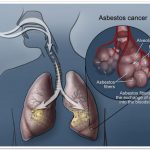
Asbestos has been used in various building materials for decades. Its use has been widely praised until it was discovered that asbestos has been linked to various lung diseases found in workers who have had long-term exposure to it. It has since been banned for use in building material, but many older buildings still contain …
Cranes are an incredibly large and therefore potentially dangerous piece of construction equipment. If not properly maintained or operated, cranes can have the potential to cause devastating long-term damage and in some cases, death. The different facets of crane safety and maintenance include inspection, refueling, operation, and more. There are quite a few different classification of …
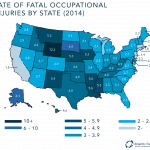
OSHA (the Occupational Safety and Health Administration) estimates that, prior to its inception in 1971, some 14,000 workers were killed on the job each year. Though the most recent accident statistics are not yet complete, data from the Bureau of Labor Statistics (BLS) show just 4,679 workplace deaths in 2014, up a little from 2012 (4,628) …