Working with chemicals is common in many industries, from manufacturing and construction to agriculture and healthcare. While chemicals are essential for countless processes, they also pose potential hazards, particularly to the eyes and skin. Chemical burns, splashes, and exposure to harmful fumes can cause serious injuries, even blindness, if not addressed promptly and effectively. That’s …
Hazardous materials (HAZMAT) are essential to modern society, used in manufacturing, healthcare, energy production, and countless other industries. However, these materials, with their potential for flammability, explosivity, corrosivity, and toxicity, also pose significant security risks. Improper handling or intentional misuse of HAZMAT can have devastating consequences, resulting in accidents, injuries, environmental contamination, and even acts …
Let’s talk about HAZMAT transport. We’re talking about the stuff that can explode, corrode, poison, or generally ruin everyone’s day if it’s not handled right. From the hand sanitizer in your trunk (yep, flammable!) to the serious chemicals heading to a lab, hazardous materials are everywhere. And when they hit the road, things get *extremely* …
Laboratories are hubs of discovery, but they’re also packed with risks. Following proper laboratory safety practices isn’t just about rules; it’s the non-negotiable divide between a breakthrough and a bad accident. From mystery chemicals to complex gear, this guide is your plan for smart laboratory safety practices that save lives. Proactive Hazard Identification and Control …
Laboratories are the birthplace of scientific breakthroughs, but they also house a unique set of hazards. From flammable liquids and corrosive chemicals to reactive substances and biohazards, laboratories require a vigilant approach to safety. Mishandling hazardous materials can lead to spills, fires, explosions, and health hazards, jeopardizing the well-being of laboratory personnel and the environment. …
If your labels are missing, you’re basically shipping chaos in a can Imagine this: A truck flips on a highway, chemicals spill, a fire sparks, and emergency crews rush in, only to discover that nothing’s labeled. Now they’re guessing what’s burning. Gasoline? Acid? Unicorn tears? Welcome to a preventable disaster. This is why hazard communication …
Warehouses are fast-paced jungles of gear, and as a manager, you know that warehouse safety hazards are lurking around every single corner. From sneaky chemical spills to live electrical wires, there’s no shortage of ways things can go sideways. This guide is your no-nonsense plan to stop hazards before they start and build a culture …
Yep, SDSs look boring, but they might just save your life. Let’s break it down. Navigating chemical safety in the workplace takes more than a label and a prayer. Safety Data Sheets (SDSs) are the cheat codes every worker needs to avoid turning into a headline. Whether you’re in construction, healthcare, or something in between, …
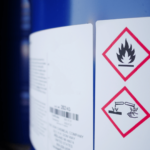
ATTRIBUTION REQUIRED: This image is free to use for all purposes including commercial use but you must provide a link back to atlantictraining.com as the source of the image. Learn more. Image Description: Descending GHS labels displaying proper HAZCOM as described OSHA new standards. Share this Image On Your Site </p> <p><strong>Please include attribution to www.atlantictraining.com/blog …