November 8, 2014
Construction Worker Safety Training

November 8, 2014
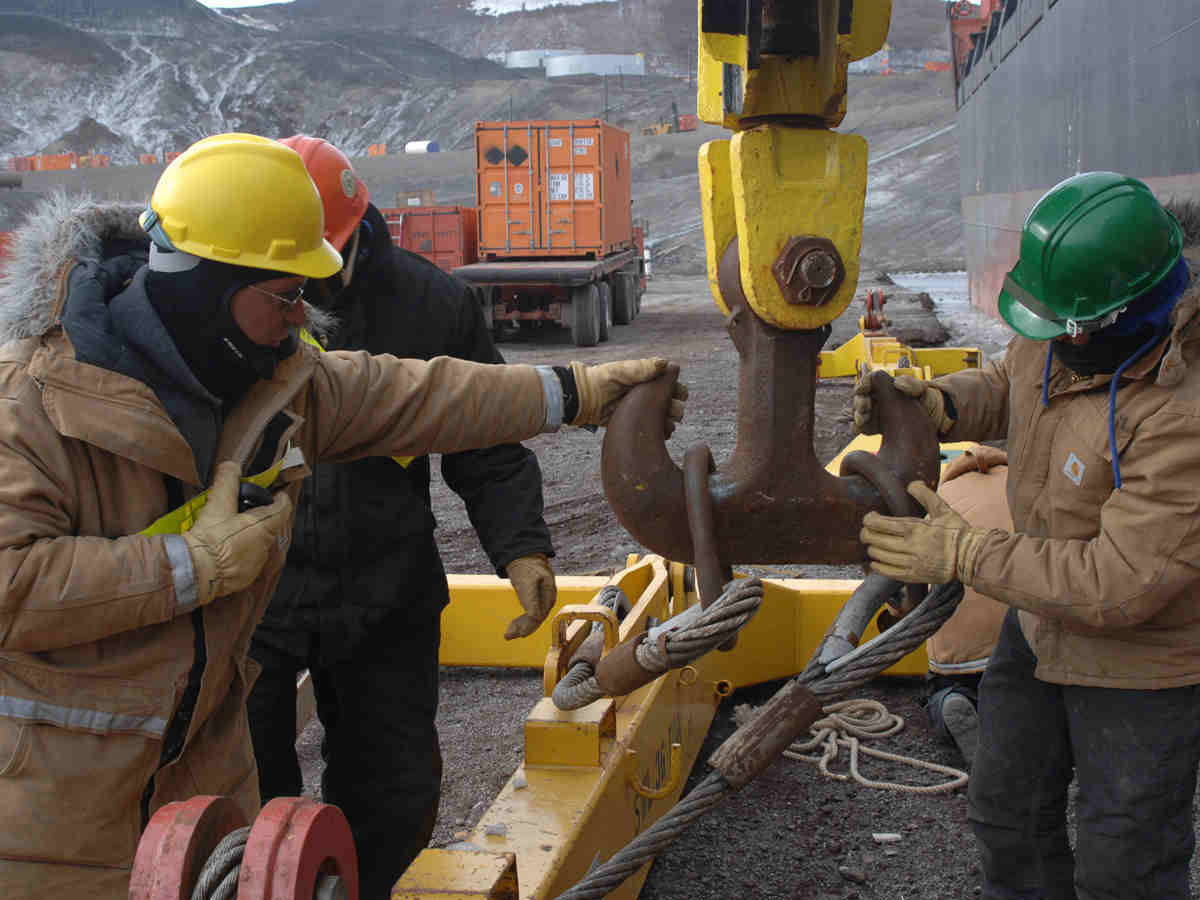 A construction site is one of the most dangerous work areas possible. Construction requires the constant use of tools, heavy machinery, and hazardous materials. Below, you’ll find a list of training topics that are required for most Construction Workers.

Fall Protection OSHA Regulation: 1926.503(a)
Required for each employee that may be exposed to fall hazards. See full OSHA regulation for more details.
When there is a change in the workplace or the employer has reason to believe that a trained employee does not have the understanding and skill necessary to perform the job safely.



Ladder / Stairway OSHA Regulation: 1926.1060
Employees that are required to use ladders or stairways should be trained on the hazards associated with their usage. See full OSHA regulation for more details.
Provide retraining so that the employee maintains the understanding and knowledge acquired from the training.


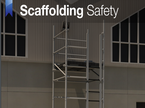
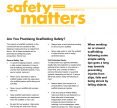
Scaffolding OSHA Regulation: 1926.454
Required for employees that are required to work while on a scaffold. See full OSHA regulation for more details.
When there is a change or when the employee is observed being unsafe.

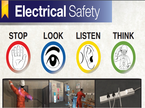
Electrical OSHA Regulation: 1910.332
When an employee faces the risk of electric shock that is not reduced to a safe level by engineering controls. See full OSHA regulation for more details.
None specified.

Lockout Tagout OSHA Regulation: 1910.147(c)(7)
When an employee works in area that contains machinery that is locked out / tagged out. See full OSHA regulation for more details.
When there is a change.


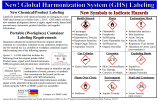
HazCom / GHS OSHA Regulation: 1910.1200(h)
Employees that may be exposed to hazardous substances as part of their job. See full OSHA regulation for more details.
When there is a change.

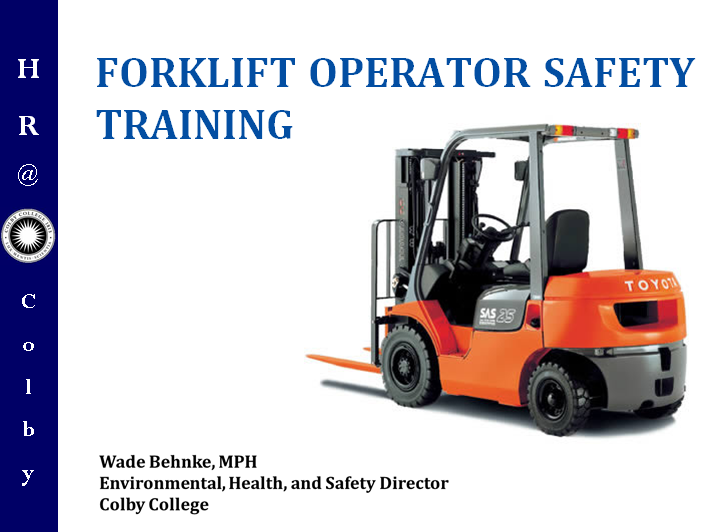
Forklifts OSHA Regulation: 1910.178(l)
When an employee is required to use a powered industrial truck as part of their job duties. See full OSHA regulation for more details.
Re-evaluation every three years; re-training if new equipment is introduced, an accident occurs, or if the operator is operating the equipment in an unsafe manner.

Hearing Protection OSHA Regulation: 1910.95(k)
Employees that are exposed to noise at or above an 8-hour time weighted average of 85 decibels. See full OSHA regulation for more details.
Annually.



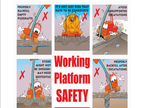
Manlifts OSHA Regulation: 1910.66(i)(1)
When an employee is required to operate a working platform as part of their job. See full OSHA regulation for more details.
None specified.


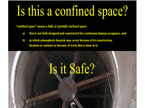
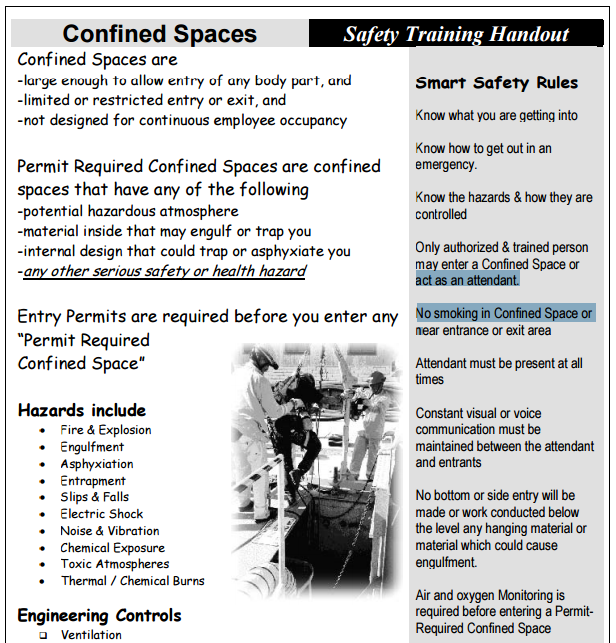
Confined Spaces OSHA Regulation: 1910.146(g)
Confined space training is required for authorized entrants, attendants, and entry supervisors. Essentially this includes anyone who works in a confined space as well as the attendant. See full OSHA regulation for more details.
OSHA does not specifically require training. However annual retraining is an industry best practice.

Personal Protective and Respiratory Equipment OSHA Regulation: 1910.132(f)
When an employee is required to wear PPE, they must be trained on its usage. See full OSHA regulation for more details.
Retraining required when the type of PPE changes, employee demonstrates inability to use PPE properly, or when the workplace changes in a way that renders previous training obsolete.


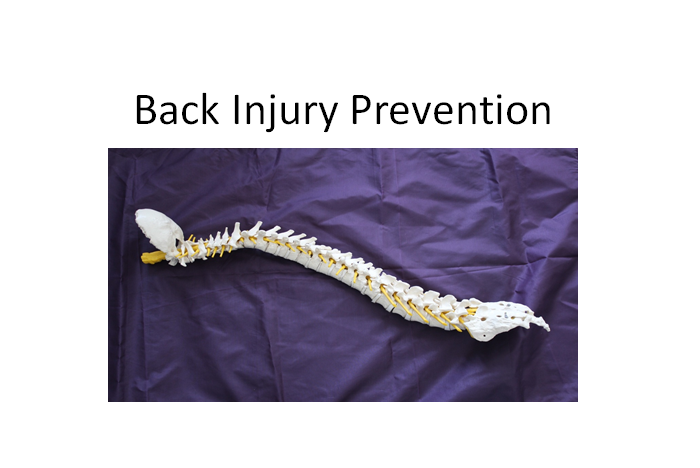
Back Safety
Annually


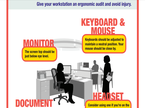
Ergonomics
Annually


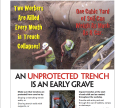
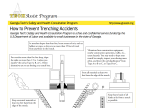
Trench and Shoring Safety
Annually


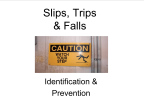
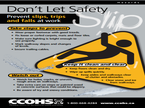
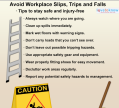
Slips, Trips and Falls
Annually

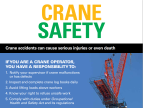
Crane Safety
Annually

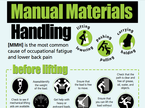
Materials Handling
Annually

Construction Equipment
Annually


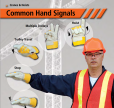
Cranes, Chains, Slings, Hoists, and Rigging
Annually


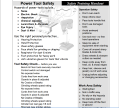
Power Tools Safety
Annually



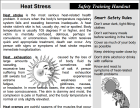
Heat Stress
Annually


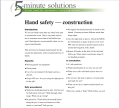
Hand Safety
Annually



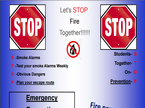
Fire Prevention
Annually


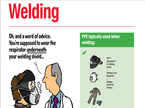
Welding and Cutting
Annually

Hazard Recognition
Annually