Courses

Safety Training

HR Compliance
Training

Soft Skills
Training
OSHA Requirements
Training

Search By Industry

Training Shorts

Course Packages

About Us

Resources

Contact Us

Category: Active Listening

Enhance your safety culture and management commitment with our library of Active Listening resources. In high-risk environments, active listening is more than a “soft skill”—it is a critical safety leadership tool that can reduce workplace accidents by up to 60%.

Our category archives explore how listening actively improves hazard recognition and trust, featuring:
– Core Techniques: Mastering full attention, non-verbal cues, and withholding judgment during safety huddles.
– Root Cause Recognition: Using clarifying and open-ended questions to uncover the “why” behind near-misses.
– Psychological Safety: Strategies for building a non-punitive environment where employees feel heard and valued.
– Coaching & Feedback: Transforming safety supervisors into “safety coaches” through empathy and effective communication.

Whether you are a safety manager conducting walkthroughs or an executive building a proactive EHS program, these resources offer the actionable insights needed to bridge communication gaps and protect your team.

Workplace Recovery Support: 5 Practical Ways Employers Can Help

Most companies have a substance use policy. Far fewer have thought about what happens after. An employee discloses that they’re seeking treatment, or returns from leave, or is managing recovery quietly while doing their job well, and the policy has nothing to say about any of it. That gap is where workplace recovery support lives. …

Truck Driver Appreciation: 5 Proven Ways to Honor Drivers Beyond Free Lunch

Every September, fleets across the country order pizza, print certificates, and post a thank-you graphic. Drivers appreciate the gesture. Most will also tell you, if asked honestly, that a catered lunch doesn’t change much about the job they go back to on Monday. Truck driver appreciation works best when the recognition connects to something drivers …

Construction Suicide Prevention: 5 Simple Steps That Make a Real Difference

Construction Suicide Prevention Week begins next week, and for most contractors and site supervisors, the honest question isn’t whether it matters. It’s what you’re actually supposed to do about it. Hanging a poster in the trailer doesn’t feel like enough, and running a formal mental health program isn’t realistic for most crews in the middle …

HazCom Deadline 2026: 3 Employer Requirements You Can’t Afford to Miss

If your organization works with hazardous chemicals, you’ve probably heard about the November 2026 compliance date more than once this year. It’s come up in conversations about new hire onboarding, emergency planning, and safety program audits. This time it isn’t a footnote. The HazCom deadline is now less than three months out, and for employers …

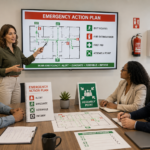
Emergency Action Plan Template: 5 Sections Most Organizations Get Wrong

If you audited your emergency action plan last week (as we suggested), you probably found at least one gap. That’s what audits are for. But finding a gap and closing it are two different things, and the most common reason organizations leave gaps open after an audit isn’t indifference. It’s that building a complete, functional …

Emergency Action Plan: 6 Gaps Most Organizations Find Too Late

Most organizations have an emergency action plan. It’s probably in a binder, filed somewhere accessible, last reviewed around the time the building changed hands or a new HR Director came on board. What most organizations don’t have is confidence that the plan would actually work when it needs to. September is National Preparedness Month, and …

New Hire Safety: The 5 Onboarding Mistakes That Make Week One Deadly

New workers face a meaningful adjustment period when they start a job. Before they’ve had time to learn the equipment, the environment, and the unwritten rules of the site, they’re navigating unfamiliar hazards while also trying to perform competently in front of people they’ve just met. That’s a combination that can increase the likelihood of …

Proactive Safety Program: 3 Gaps Most Organizations Miss During Safe + Sound Week

Most organizations have a safety program. They have the binder, the policies, the annual training sign-off sheets, and the OSHA poster on the wall. What most organizations do not have is a proactive safety program: one that identifies hazards before incidents occur, actively involves workers in safety decisions, and demonstrates visible, consistent management commitment rather …

Work Vehicle Safety: The 7 Risks Most Fleets Overlook Until Someone Gets Hurt

If your employees drive company vehicles, operate service vans, or get behind the wheel of any vehicle as part of their job, you are carrying one of the largest and most undermanaged liability exposures in your entire operation. Motor vehicle crashes are the leading cause of work-related fatalities in the United States, accounting for more …