December 24, 2025
What Is Workplace Safety and Health? (The Real Definition & 5 Pillars of Success)

December 24, 2025
If you ask a lawyer, “what is workplace safety and health,” they will likely hand you a 400-page book of regulations. If you ask an employee, they might point to the hard hat they have to wear. If you ask a business owner, they might just sigh and point to their insurance bill.
But the true answer is simpler, yet far more critical. What is workplace safety and health? It is the disciplined approach to protecting the most valuable asset your company has: its people. It is the bridge between “getting the job done” and “getting home alive.”
In this guide, we are going to strip away the bureaucratic jargon. We’ll look at what this concept actually means, why it’s the backbone of any profitable business, and the five pillars you need to build a system that works in the real world—not just on paper.
At its most basic level, when we ask what is workplace safety and health, we are referring to the multidisciplinary field concerned with the safety, health, and welfare of people at work. It is often referred to as OSH (Occupational Safety and Health) or EHS (Environment, Health, and Safety).
But let’s be practical. It isn’t just about handing out safety glasses. It involves:
If your definition of safety stops at “don’t slip on the floor,” you are missing half the picture.
Understanding what is workplace safety and health requires looking at the two forces driving it: Conscience and Compliance.
In the United States, the Occupational Safety and Health Act of 1970 changed everything. It established that employers have a legal obligation to provide a workplace free from recognized hazards. This isn’t a suggestion; it’s the law. Violating it leads to citations, massive fines, and even jail time in extreme cases of negligence.
Beyond the law, there is a simple truth: No paycheck is worth a life. When an employee walks through your doors, they are trusting you with their physical well-being. Honoring that trust is the moral foundation of any respectable business.
You cannot fight an enemy you cannot see. The first step in answering what is workplace safety and health in practice is Hazard Identification.
This is the proactive process of scanning the workplace for things that could go wrong. It involves:
If you wait for an accident to happen before you identify a hazard, you aren’t managing safety; you’re managing casualties.
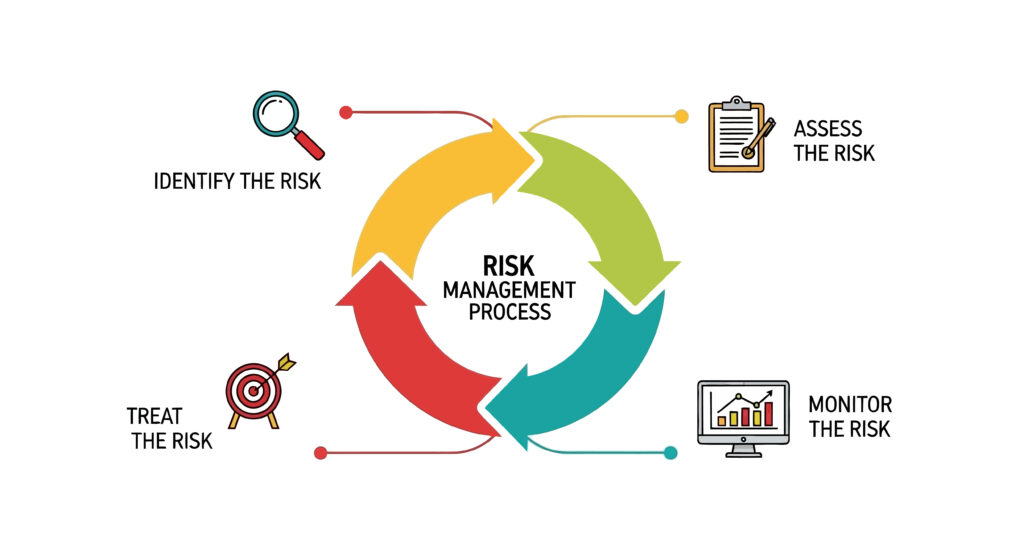
Once you find a hazard, how do you fix it? This is where many companies fail. They jump straight to PPE (Personal Protective Equipment).
Real workplace safety follows the NIOSH Hierarchy of Controls:
When you understand what is workplace safety and health truly about, you realize that handing someone a pair of gloves is the last resort, not the first.
You can have the best safety gear in the world, but if your team doesn’t know how to use it, it’s useless. Ignorance is a hazard.
Training bridges the gap between a written policy and real-world action. But not all training is created equal. Reading a binder in a dusty breakroom isn’t training; it’s a nap.
Effective training must be engaging, relevant, and accessible. This is where we come in. At Atlantic Training, we offer a massive library of Safety and Health courses covering everything from Forklift Certification to Slips, Trips, and Falls. We turn “compliance” into “competence.”
Here is the invisible glue that holds it all together: Culture. What is workplace safety and health without culture? It’s just a set of rules that people break when the boss isn’t looking.
A strong safety culture means:
If your employees are afraid to report an injury because they’ll lose their safety bonus, you don’t have a safety culture; you have a cover-up culture.
The job is never done. The workplace changes. New machines arrive, new chemicals are introduced, and new employees are hired. Therefore, your safety program must be a living thing.
This concept, often called the “Plan-Do-Check-Act” cycle, ensures that you are constantly refining your processes. You review your accident logs, you listen to employee feedback, and you update your training.
So, what is workplace safety and health? It is not a destination; it is a journey. It is the daily commitment to identifying hazards, training your people, and building a culture where everyone looks out for everyone else.
It protects your bottom line, sure. But more importantly, it protects the fathers, mothers, sons, and daughters who work for you. And that is worth every ounce of effort.
The primary goal of what is workplace safety and health initiatives is to prevent workplace injuries, illnesses, and deaths. It aims to create a safe working environment through hazard identification, risk mitigation, and employee training.
Under OSHA law, the employer bears the ultimate responsibility for providing a safe workplace. However, safety is a shared responsibility. Employees are responsible for following procedures, wearing PPE, and reporting hazards.
The four main categories are Physical Hazards (machinery, slips), Chemical Hazards (fumes, liquids), Biological Hazards (bacteria, viruses), and Ergonomic Hazards (repetitive motion, poor lifting techniques).
A strong safety program reduces costs associated with workers’ compensation, medical expenses, and legal fines. It also improves productivity and morale, as employees work more efficiently when they feel safe.