The lights flicker, the TV shuts off, and you are standing in the dark. Most outages are inconvenient, not dangerous, but the wrong moves can add real risk. Here is a clear, calm plan that keeps you safe until the power returns.
Immediate Step, use a flashlight, not candles if possible
- Keep flashlights or battery lanterns in several rooms, store extra batteries.
- If you must use candles, place in sturdy holders, away from curtains, pets, and kids, never leave unattended.
Light is good, unnecessary fire risk is not.
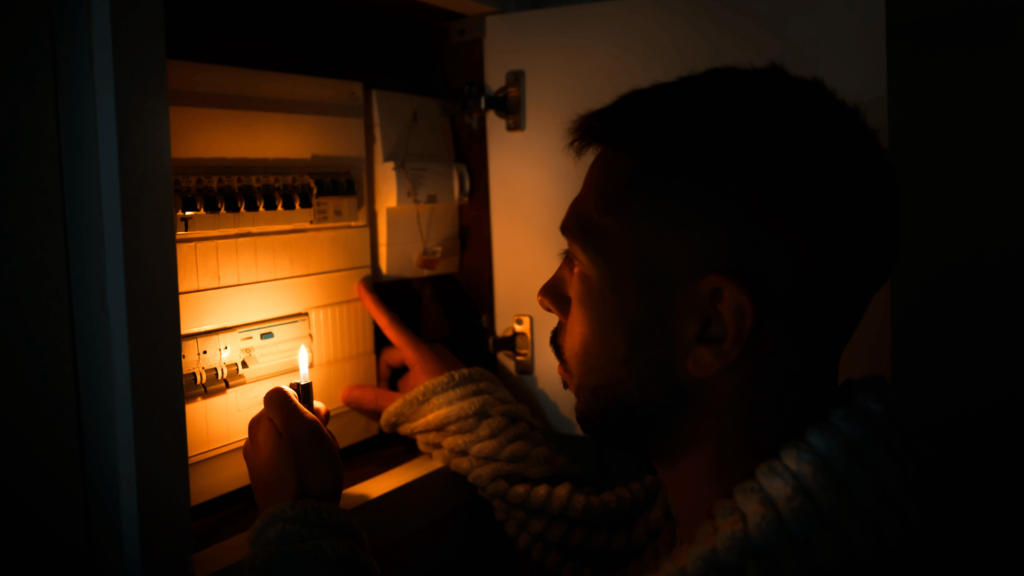
Step 1, Check Your Breaker Before You Panic
- Open the breaker panel or fuse box, look for a tripped breaker or blown fuse.
- If it is just your home, reset the breaker or replace the fuse safely.
- If nearby homes are dark too, it is a wider outage.
Step 2, Report the Outage to Your Power Company
- Use the utility outage hotline, text system, or mobile app if available.
- Check the online outage map for scope and updates.
Your report helps crews locate the problem faster.
Step 3, Keep Refrigerators and Freezers Closed
- A full freezer holds a safe temperature for about 48 hours, about 24 hours if half full.
- A refrigerator keeps food cold for about 4 hours.
- Open doors only when necessary. When in doubt, toss it out.
After power returns, check that food stayed at or below 40°F. Discard items that were above 40°F for more than 2 hours.
Step 4, Unplug Electronics to Avoid Surges
- Unplug computers, TVs, gaming systems, and other sensitive devices.
- Use surge protectors for items that must remain plugged in.
- Leave one light on so you know when power returns.
Step 5, Stay Carbon Monoxide Safe
- Never run a generator inside a home, garage, or basement, and do not run it near windows or doors. Place generators outside, at least 20 feet from openings, with exhaust pointing away from the building.
- Do not use charcoal grills, camp stoves, or gas ovens for heat indoors.
- Check that carbon monoxide alarms have working batteries.
Step 6, If Medical Devices Need Power, Call 911 if Backup Fails
If someone relies on powered medical equipment, act early.
- Use backup batteries or a properly vented generator.
- If backup power is not available or fails, call 911 immediately for transport to a powered facility.
- Keep a printed list of medications, device settings, and emergency contacts.
Step 7, Make Your Space Safe and Comfortable
- Use battery fans in heat, extra layers and blankets in cold.
- Avoid opening exterior doors repeatedly, preserve indoor temperature.
- Check on neighbors, especially older adults and those with medical needs.
- Treat dark stairways and hallways as hazards, add temporary lighting or block access.
Downed Lines or Electrical Fire, call 911
- Assume any downed wire is live. Stay back at least 35 feet, keep others away, call 911 and the utility.
- If a fire starts, evacuate and call 911. Do not use water on electrical fires.
Prevention, Prepare Before the Lights Go Out
- Emergency kit, flashlights, batteries, water, nonperishable food, manual can opener, blankets, first aid kit.
- Backup chargers, power banks for phones, a charged battery radio.
- Alternative comfort, safe space heaters or battery fans as appropriate for your climate.
- Medical planning, notify your utility if you use life sustaining devices, many offer medical priority programs.
- Workplace readiness, confirm emergency lighting, exit routes, and outage procedures during drills.
Wrapping It Up
- Use flashlights, avoid candles when you can.
- Check your breaker, then report the outage.
- Keep fridge and freezer doors closed to protect food.
- Unplug electronics, leave one light on for status.
- Prevent carbon monoxide, run generators outside only.
- If medical devices are at risk, call 911 if backup fails.
Preparation removes panic. With a few smart habits, the next outage becomes a manageable pause, not a crisis.
References