
Comprehensive OSHA Safety Checklist for Workplace Compliance
Ensuring safety in the workplace is not just a regulatory requirement; it is essential for the well-being of employees and the overall productivity of a business. This OSHA safety checklist provides a structured approach to identify potential hazards and implement effective safety measures.
In many industries, particularly those with high risks such as construction, manufacturing, and agriculture, having a robust safety checklist is vital. It not only helps in compliance but also fosters a culture of safety among employees.
This checklist can serve a dual purpose: helping identify existing hazards and providing a framework for continuous improvement in workplace safety standards.
Regularly reviewing and updating this checklist is essential for maintaining compliance and ensuring that safety protocols evolve alongside industry standards.
For example, if a new piece of equipment is introduced, the checklist should be updated to include assessments related to that equipment’s operation and maintenance.
Additionally, engaging employees in the process of updating the checklist can increase awareness and commitment to safety practices across the organization.
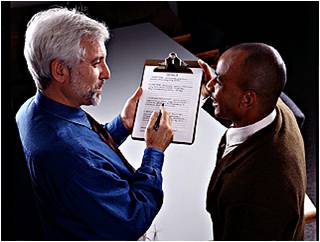

Topics Covered in this PDF Checklist:
- Emergency preparedness and action
- Checking floor surfaces condition
- Prevention of workplace violence
- Fire prevention and ladder safety
- Electrical and chemical safety
- Taking care and proper use of machines and PPE
Total Checklist Tasks: 64 Created by: PIA MidAmerica Additionally, for a comprehensive safety management system, consider integrating these checklists into a broader safety program that includes training, reporting mechanisms, and regular audits.
Access the complete OSHA Safety Checklist here: OSHA Safety Checklist.pdf OSHA Safety Checklist.doc
Safety Checklist by NYSIF
Number of Checklist Tasks: 52 Created by: NYSIF
Utilizing the OSHA Safety Checklist for Improved Workplace Safety
The OSHA checklist for general industry is particularly important because it encompasses a wide range of workplace settings, each with unique hazards. By customizing the checklist based on specific operational needs, employers can better address the risks associated with their industry.
Moreover, integrating industry best practices into the OSHA safety checklist enhances its effectiveness. Employers might consider including feedback from safety audits, employee suggestions, and observations from safety training sessions.
One common area of focus in the checklist is emergency preparedness. Employers should not only have a written emergency action plan but also conduct regular drills to ensure all employees are familiar with procedures.
Additionally, checking floor surfaces for conditions that may cause slips, trips, or falls is crucial. Regular inspections should be part of routine maintenance to mitigate these risks.
Prevention of workplace violence is another critical component of the OSHA safety checklist. Employers should establish clear policies, provide training, and promote a workplace culture that prioritizes respect and communication.
In terms of fire safety, the checklist should not only include the condition of fire extinguishers but also the accessibility of exits and the need for regular fire drills.
Electrical safety checks are paramount, including ensuring that all wiring is up to code and that employees are trained to recognize potential hazards.
Chemical safety requires regular reviews of Material Safety Data Sheets (MSDS) and ensuring proper storage and handling procedures are followed.
Finally, taking care of machinery and personal protective equipment (PPE) is critical. Regular inspection schedules and maintenance routines should be included in the checklist to prevent accidents.
In conclusion, utilizing an OSHA safety checklist is not just about compliance; it is a proactive approach to fostering a safe and healthy work environment. By regularly assessing and updating safety practices, businesses can protect their employees and ensure operational efficiency.
This checklist was created by South Carolina Occupational Safety and Health Administration (OSHA) to help employers and employees comply with the Occupational Safety and Health Act of 1970. This serves as a guide to be used to assist employers in hazard identification and to determine if an area of safety concern exists.
OSHA Safety Checklist: A Key Resource for Every Employer
Oregon OSHA has produced this checklist to help employers and employees check the safety in their workplace. They believe that like cultivating a crop, cultivating a safe workplace requires knowledge and commitment. It is recommended to choose a topic herein that apply to your workplace to serve as your guide in maintaining a safer workplace.
For further resources and guidance, accessing OSHA’s official website can provide additional tools and insights. It’s essential to stay informed about the latest regulations and safety standards as they evolve.
Lastly, remember that a commitment to safety is a continuous journey. Regular feedback from employees and adapting to new circumstances will ensure that your OSHA safety checklist remains relevant and effective.
Through diligent application of the OSHA safety checklist, organizations not only comply with regulations but also enhance the safety and productivity of their workforce, making it a vital tool in any workplace safety strategy.

- Cybersecurity Training for Employees: 5 Costly Gaps That Waste Your First Hour - October 1, 2026
- Workplace Bullying: 6 Behaviors Managers Consistently Miss - October 1, 2026
- Workplace Fire Safety: 5 Critical Gaps in Most Egress Plans - September 30, 2026